When the Past Isn’t Past: How Childhood Trauma Impacts Parenting Challenging Boys
We all know that we’re supposed to remain calm during challenging episodes — but knowing how is another story. These moments often stir up something far deeper than what’s happening right now.
Challenging episodes are highly provocative and stir intense emotions. It’s stressful when your child is refusing to get ready for school and you’re late for work. It’s embarrassing when friends are over and your son speaks to you rudely in front of other parents. We worry about our child’s future when he refuses to do his homework or can’t make friends. In my last post, I pointed out that others blame us for our son’s misbehavior — and worse, we blame ourselves. This stress, embarrassment, worry, and blame is a lot. In this post I will discuss one more reason why it’s very difficult to remain calm during challenging episodes and how you can manage it: these episodes stir up unresolved feelings from our own childhoods.
The groundbreaking ACE (Adverse Childhood Experiences) study found, sadly, that most of us experienced some form of serious hardship during our childhoods — physical or sexual abuse, neglect, domestic violence, or parental substance abuse. Even those lucky few who grew up in relatively safe and secure homes often have unresolved issues that can surface in the face of challenging behavior. When left unprocessed, these traumas leave emotional triggers behind that can lead us to overreact or shut down during our son’s challenging episodes.
Our son’s challenging behavior might evoke feelings about a sibling who bullied us. Our son might remind us of ourselves as a child and we become over-identified with his feelings of mistreatment. Our spouse’s calm behavior might feel like a parent who didn’t protect us from someone who tormented us.
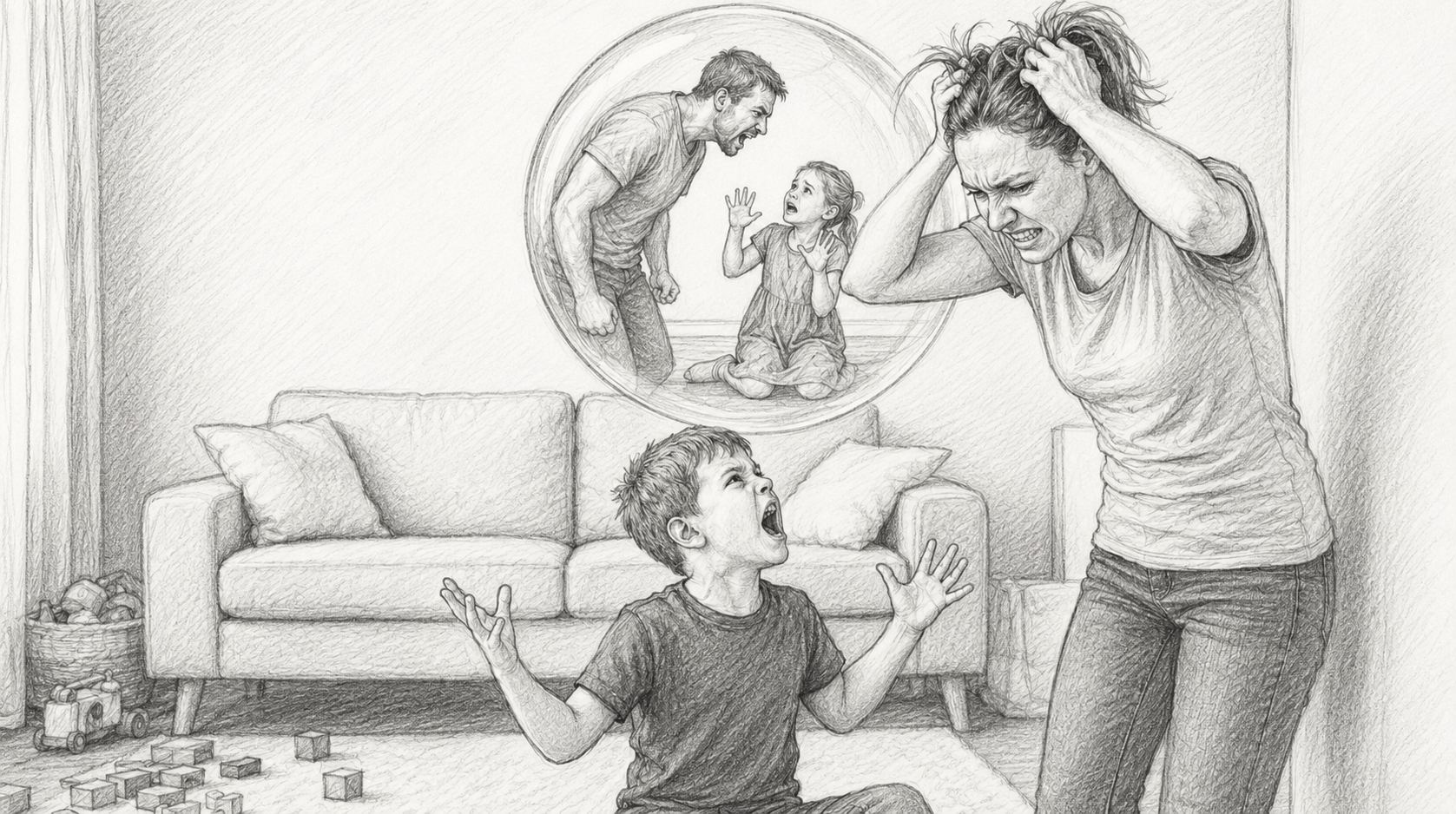
The triggers are like buttons on a time machine — taking us from the present moment back in time to the feelings and reactions of some unremembered past.
When we are triggered, we often don’t consciously make the connection between the feelings we experience and the events from our childhoods they come from. Instead of recalling past events, we reexperience the emotions and physiological reactions as if they belong to the present situation. It’s difficult to recognize that we’re triggered because our reactions feel so vividly about the present, even though they actually come from our unhealed past.
Signs you may be triggered:
- Sudden, strong feelings of anger, fear, or helplessness
- Feelings that are too intense and don’t match the circumstances
- Feeling like you’re in a near life-or-death crisis and something must be done now
- Physical symptoms like a racing heart, flushed skin, or a panic attack
- Acting impulsively, sometimes shocking yourself or others
- Feeling shut down, paralyzed, or numb
- Experiencing shame, hopelessness, or despair after the episode is over
- Having difficulty remembering exactly what happened
There’s a lot we can do to manage our triggers. The first step is to identify them. In my book Challenging Boys, I suggest using a journal to discover what our buttons and triggers are. Writing about challenging episodes not only helps process and relieve bad feelings — it creates a record that allows us to identify patterns, including our triggers, our spouse’s triggers, and our son’s triggers.
Once we know what our triggers are, we can take steps to keep them from taking over during challenging moments. We can make a plan for managing them — this is what firefighters do. They stay calm in challenging situations because they have a plan they’re implementing, not figuring things out on the spot. We can also practice relaxation techniques when we’re not triggered, and work on helping ourselves heal through journaling, therapy, or speaking with a trusted friend — so that our triggers become less intense over time.
Challenging episodes are, well, challenging. While we’re often told to remain calm, it’s incredibly difficult when past trauma is involved. But it is possible to manage your reactions and shift the dynamic in your home from conflict toward connection. This journey is not easy — but you are not alone.
Child psychologist with over 30 years of experience working with challenging boys and their families. Author of Challenging Boys: A Proven Plan for Keeping Your Cool and Helping Your Son Thrive (Rowman & Littlefield, 2025) and a former firefighter.
Get the tools to stay calm when it matters most.
Download the first chapter of Challenging Boys free