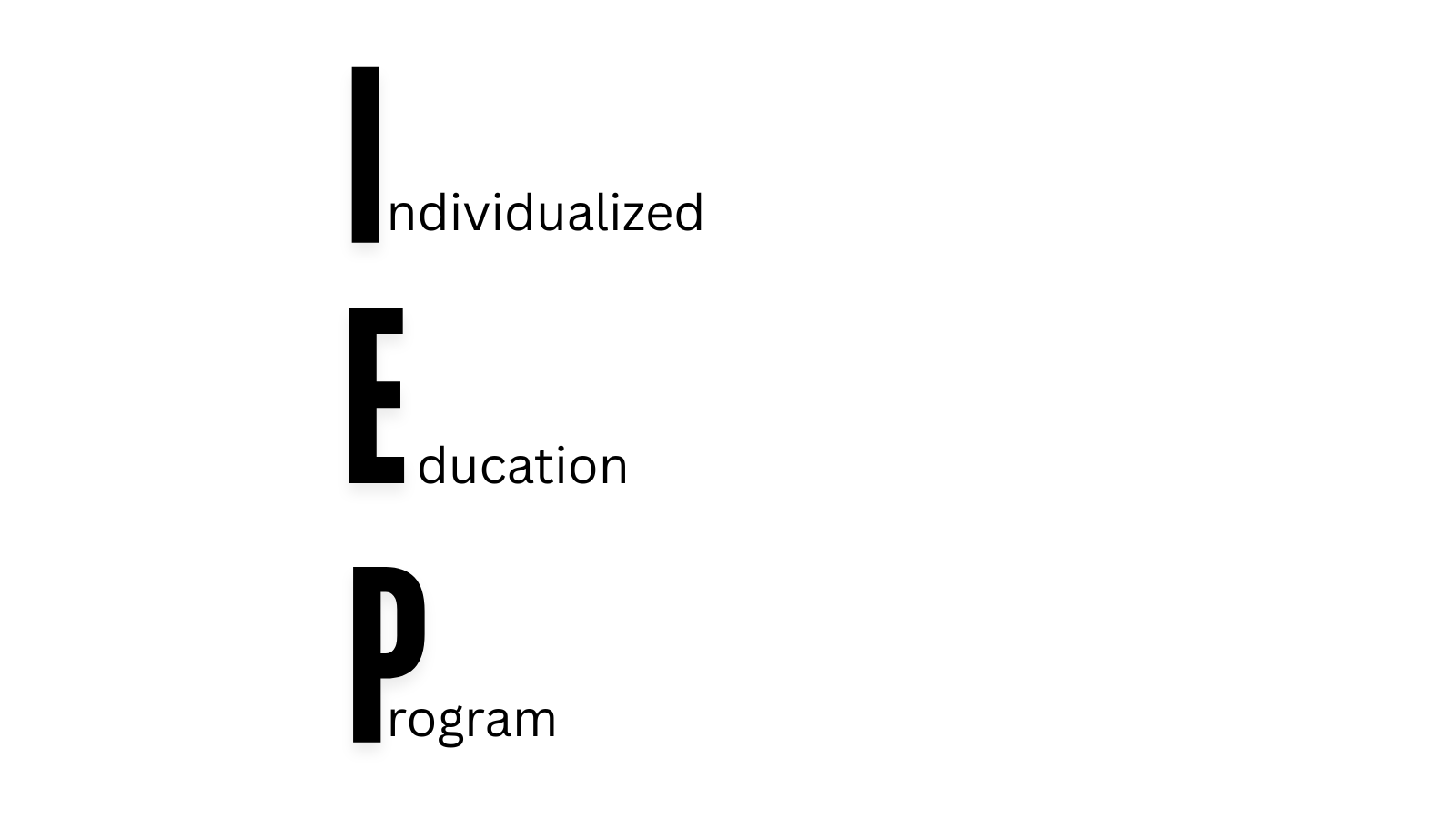
Behavior problems at school are among the most frequent reasons parents contact me. Acting out in class, talking back to teachers, refusing to go to school — if this sounds familiar, there is a powerful solution most parents don’t know about: the Individualized Education Program (IEP).
Behavior problems at school are among the most frequent reasons that parents contact me about their children. Acting out in class, lying about having completed assignments, talking back to teachers, fighting with other kids, and even refusing to go to school are some of the issues that I am routinely presented with. If these sound familiar to you, then you’ve probably heard school staff use words like “oppositional” or “defiant” to describe your child. It’s also likely that your child has been given a variety of consequences for his or her defiant behavior: being held inside at recess, sent to the principal, or even suspended.
Although we all know kids do best when feedback is immediate, schools often expect parents to fix the problem. Of course, if parents could, they would. The reality is, as parents, we can’t provide immediate feedback to our child because we are not in the school building when the misbehavior occurs. It’s no wonder that most parents in this circumstance feel helpless and frustrated. In an effort to help our child, it’s not uncommon for us to resort to issuing lectures, threats, and punishments to try to get our kid to behave at school. What I’ve noticed in my professional (as well as personal) life is that our efforts to control our child, though understandable, rarely improve the school situation — but almost always create problems in our relationship with our child. It’s lose-lose.
What, then, can we do to help our child? The first step is changing our understanding of what the problem is. Viewing these behavioral issues as matters of discipline and responding with punishments typically leads to an escalation of the child’s problems. Misbehavior at school frequently is caused by unrecognized emotional, cognitive, or learning problems: ADHD, Autism Spectrum Disorder, Executive Functioning Problems, Anxiety, Depression, or subtle learning issues such as Dyslexia or Nonverbal Learning Disability. These conditions can make it extremely difficult for a child to comply with the academic and behavioral requirements of school. Misbehavior doesn’t result from the child intentionally defying the rules, but because his or her emotional, cognitive, or learning problems make it so that he or she has a very hard time paying attention, sitting still, reading social cues, or understanding assignments. It is these missing skills, and their associated frustrations, that can quickly escalate into serious behavioral issues.
No amount of punishment can ever teach the skills a child is missing. Once we understand the real causes behind misbehavior, we can use one of the most powerful tools available: the IEP.
The misbehaving child needs supports and special education to develop the emotional, cognitive, learning, and social skills needed to handle the demands of school. No amount of punishment can ever teach these skills. Once we understand the real causes that lie behind our child’s misbehavior, we can utilize one of the most powerful tools for solving school behavior problems: the Individualized Education Program (IEP). In my experience, behavior problems rapidly improve once an IEP is in place.
What is an IEP?
Under the Individuals with Disabilities Education Improvement Act of 2004 (IDEA), if a child’s disability prevents the child from learning the general education curriculum, the child is entitled to an Individualized Education Program (IEP). Under the IDEA, ADHD, emotional problems such as anxiety and depression, Autism Spectrum Disorder, and specific learning difficulties such as nonverbal learning disability and dyslexia are considered to be disabilities (for a full list of eligible disabilities see understood.org).
An Individualized Education Program is an individualized program of supports and services designed to enable a child to learn the general education curriculum. This program is created by the IEP team — composed of the child’s parents, teacher, special educators, and school administrator — who work together to construct an educational plan based on their knowledge of the child’s unique needs and abilities. An IEP is typically composed of accommodations (changes in how the child is taught so that the child can successfully learn the same material as classmates), modifications (changes in assignments, usually to reduce demands), special education services, along with OT, PT, speech and language therapy, counseling and other supports as necessary. Children as young as 3 can qualify for IEPs and receive services free of charge.
You might not think that your child has one of these eligible conditions. He or she might seem to be doing “fine” academically, or may be able to focus intently on video games. It can seem like your child is lazy or stubborn. However, one of these disabilities may still be present — masquerading as a lack of motivation or oppositionality. The disabilities can be subtle and difficult to identify even by experienced teachers, and require an evaluation by specially trained mental health clinicians, typically involving cognitive and educational testing.
You might worry about your child being stigmatized as a “Sped Ed” kid, or that a Special Education record will make it harder to get into college. I have never seen either of these things happen in over 25 years of practice. Successful IEPs improve a child’s behavior, self-esteem, and motivation — and lead to much more success over the long run. Without an IEP, academic and discipline problems can get much worse. The child starts to feel stupid or like a “bad kid,” develops a dislike for school, gets angry, depressed, and acts out more. When these negative effects occur, the child’s self-esteem and prospects for the future truly suffer.
What can an IEP do?
An IEP may include accommodations, modifications, special education services and other supports such as OT, PT, counseling, Behavioral Assessments and Plans, Speech and Language Therapy, reading help, and Social Skills groups. IEPs frequently assign a special educator who acts as a liaison between teachers and parents to help keep track of assignments and to deal quickly with academic or behavioral problems that arise. IEPs also typically include access to a learning center where the student can receive tutoring and support. As specified in the IDEA, the goal of the IEP is to set your child up for academic, social, and behavioral success at school and to prepare him or her for employment and independent living in the future.
How do you get an IEP?
For your child to qualify for an IEP, he or she needs to have a disability which interferes with learning the general education curriculum. The process for applying for an IEP is complex. Understood.org and Wrightslaw.com both provide excellent overviews. You can find a detailed discussion of IEP law and the application process in Wrightslaw: From Emotions to Advocacy by Peter W. D. Wright and Pamela Darr Wright.
Many families choose to consult with a Special Education Advocate as they embark on the path of seeking an IEP. Advocates guide families through each step of the process — from the initial request for an IEP evaluation, to helping hire independent evaluators (psychologists, psychiatrists, neuropsychologists), to attending IEP meetings, and finally helping determine whether to accept or reject the school’s proposed IEP.
Hiring an advocate and experts can be quite expensive. However, it is an investment in your child’s future. Even the most supportive schools can have a subtle bias towards restricting access to IEPs. Having your own advocate and independent evaluations is essential. Other parents at your child’s school who have been through the IEP process are the best source for recommendations. Another resource is the Yellow Pages for Kids.
To sum up: school behavioral problems are stressful for parents and distressing for children. Frequently, this misbehavior occurs because a child is struggling with an unrecognized cognitive, emotional, or learning issue. Treating the effects of these issues as if they were a discipline problem is counterproductive and makes everyone more miserable. Parents are often unaware of IEPs, or think they are only for children with severe disabilities. IEPs, however, can be a powerful solution to educational and behavioral problems in children with mild to moderate needs.
Child psychologist with over 30 years of experience working with challenging boys and their families. Author of Challenging Boys: A Proven Plan for Keeping Your Cool and Helping Your Son Thrive (Rowman & Littlefield, 2025) and a former firefighter.
Get the tools to stay calm when it matters most.
Download the first chapter of Challenging Boys free